Elevate Food Images with Set 3 Overlays
In the crowded landscape of digital content, food photography serves as a primary communication tool. Whether you are running a culinary blog, managing social media for a restaurant, or designing a cookbook layout, the visual presentation of your subject matter often dictates engagement levels. However, achieving a polished, professional look does not always require complex retouching skills or hours of manual design work. This is where specialized assets like Food Photography Overlays - Set 3 become invaluable. This collection offers a practical solution for creators who need to enhance their imagery quickly while maintaining a distinct, hand-crafted aesthetic.
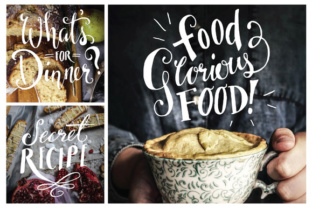
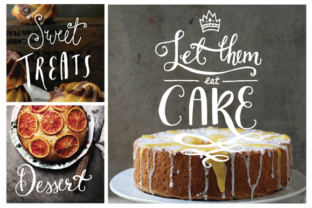
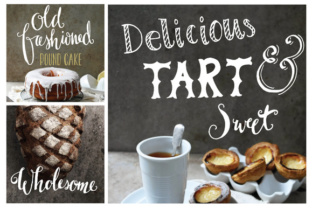
The core value of this set lies in its versatility and the specific style it brings to the table. Unlike generic graphic elements that can feel sterile or overused, these overlays feature cute, hand-lettered designs that add a personal touch to commercial and personal projects. The set includes 14 unique overlay designs, each available in six distinct colors: black, white, gray, aqua, blush, and sunshine. By providing these variations at 300dpi in both small and large sizes, the collection ensures that you have the right asset regardless of your canvas dimensions or resolution requirements. This attention to detail eliminates the common frustration of finding a perfect graphic only to discover it is too low-resolution for print or the wrong color for your brand palette.
Streamlining Workflow with Ready-to-Use Assets
For professionals and hobbyists alike, time is a critical resource. The traditional process of creating custom typography or illustrative elements for food images involves sketching, digitizing, coloring, and refining—a workflow that can take hours per image. Food Photography Overlays - Set 3 condenses this process into seconds. The inclusion of 168 PNG files means you can simply drag and drop an element over your photograph to instantly transform the composition.
Consider a food blogger preparing a weekly newsletter. They have a stunning photo of a summer salad but feel the image lacks a call-to-action or a descriptive title that matches their site's whimsical theme. Instead of opening a design program to letter a new title, they can select a "sunshine" colored overlay from the set, place it over the image, and export. The result is a cohesive, branded piece of content created in a fraction of the time. This efficiency allows creators to focus more on cooking, writing, and strategy, rather than getting bogged down in repetitive graphic design tasks.
Customization Beyond Basic Placement
While the PNG files offer immediate utility, the true power of this set emerges when you need to tailor the graphics to specific project requirements. The package includes fully layered PSD files, which provide significant control over the final output. For instance, the template "The Best ____ Recipe Ever" allows users to insert their own text while retaining the hand-lettered style of the surrounding elements. This is particularly useful for magazine layouts or promotional materials where specific recipe names or ingredients must be highlighted without sacrificing the artistic integrity of the design.
Furthermore, the inclusion of vector files (AI CS1 and EPS) ensures scalability and editability for advanced users. If you are working on a large-format print project, such as a menu board or a cookbook cover, raster images can sometimes lose clarity when scaled up. Vector files resolve this issue by allowing infinite scaling without quality loss. Users with Adobe Illustrator or compatible vector software can modify the paths, adjust anchor points, or change colors to match exact brand guidelines (Pantone matches, for example) that the pre-rendered PNGs might not cover. This flexibility makes the set suitable for both digital screens and high-end print production.
Enhancing Brand Identity Through Consistent Styling
Consistency is the cornerstone of strong branding. When audiences scroll through a feed or flip through a portfolio, they should immediately recognize the visual language associated with your brand. The hand-lettered style found in Food Photography Overlays - Set 3 conveys warmth, approachability, and artisanal quality. These are attributes highly valued in the food industry, where consumers often seek a connection to the maker or the story behind the dish.
By consistently using elements from this set across various platforms, creators can establish a recognizable visual signature. A small business owner selling homemade jams might use the "blush" colored overlays for their Instagram stories, the "black" versions for their website banners, and the vector files for their product labels. Even though the applications differ, the consistent typographic style ties all touchpoints together, reinforcing brand recall. This strategic use of assets helps build trust and professionalism, which are essential for converting casual viewers into loyal customers.
Expanding Creative Possibilities with Brushes
Creativity often thrives on constraints, but it also benefits from having the right tools to execute spontaneous ideas. The inclusion of a Photoshop brush set (.ABR) containing all 14 elements adds another layer of utility to this package. Brushes allow for a more organic integration of graphics into an image. Rather than placing a static overlay on top of a photo, users can stamp elements onto specific areas, adjust opacity for subtle effects, or combine multiple stamps to create unique compositions.
This feature is particularly beneficial for educators and tutorial creators who demonstrate techniques in real-time. Using the brushes, an instructor can annotate a food photo during a live stream or record a video, highlighting specific textures or ingredients with the hand-lettered elements. The ability to install these brushes in Photoshop Elements also democratizes access, ensuring that users without the full Creative Cloud suite can still leverage these advanced features. The included PDF installation instructions further simplify the onboarding process, reducing technical barriers for less experienced users.
Practical Considerations and Limitations
While Food Photography Overlays - Set 3 offers a robust set of tools, it is important to understand its fit within your specific workflow. The hand-lettered aesthetic is charming and effective for lifestyle, blog, and artisanal contexts, but it may not suit every brand identity. Corporate catering companies or high-end fine dining establishments seeking a minimalist, ultra-modern look might find the "cute" style too informal for their needs. In such cases, evaluating the tone of your brand against the style of the overlays is a necessary step before purchase.
Additionally, while the vector files provide extensive editing capabilities, they require software knowledge to utilize fully. Users unfamiliar with Adobe Illustrator or vector manipulation may find themselves relying primarily on the PNG and PSD files. This is not a drawback per se, but rather a consideration for resource allocation; if you lack vector editing skills, the AI and EPS files may remain unused unless you plan to outsource that part of the design process. Similarly, the color palette, while varied, is fixed to the six provided options in the PNG format. If your brand relies on a very specific shade of navy or forest green, you would need to use the PSD or vector files to recolor the elements, which requires a bit more effort than simply selecting a pre-made file.
Ultimately, the decision to integrate this set into your toolkit should be based on your desire to streamline production without sacrificing personality. For food photographers, bloggers, and small business owners looking to add a layer of warmth and professionalism to their visuals, these overlays provide a balanced mix of convenience and creative control. They solve the problem of blank space in compositions, offer a quick way to highlight key information, and provide the technical flexibility needed for both web and print environments. By leveraging these assets thoughtfully, creators can elevate their visual storytelling and connect more effectively with their audience.