Big Blue: A Versatile Hand-Brushed Font Family for Modern Design
In the vast landscape of digital typography, finding a typeface that balances personality with professionalism can often feel like searching for a needle in a haystack. Designers and content creators are constantly on the lookout for fonts that convey warmth and human touch without sacrificing readability or impact. Enter Big Blue, a delicately hand-brushed font family that has quickly become a favorite among those who value authentic expression in their visual communications. Unlike sterile geometric sans-serifs or overly ornate calligraphy, Big Blue offers a unique middle ground, capturing the organic flow of handwriting while maintaining the structural integrity needed for professional use.
The Anatomy of a Hand-Brushed Masterpiece
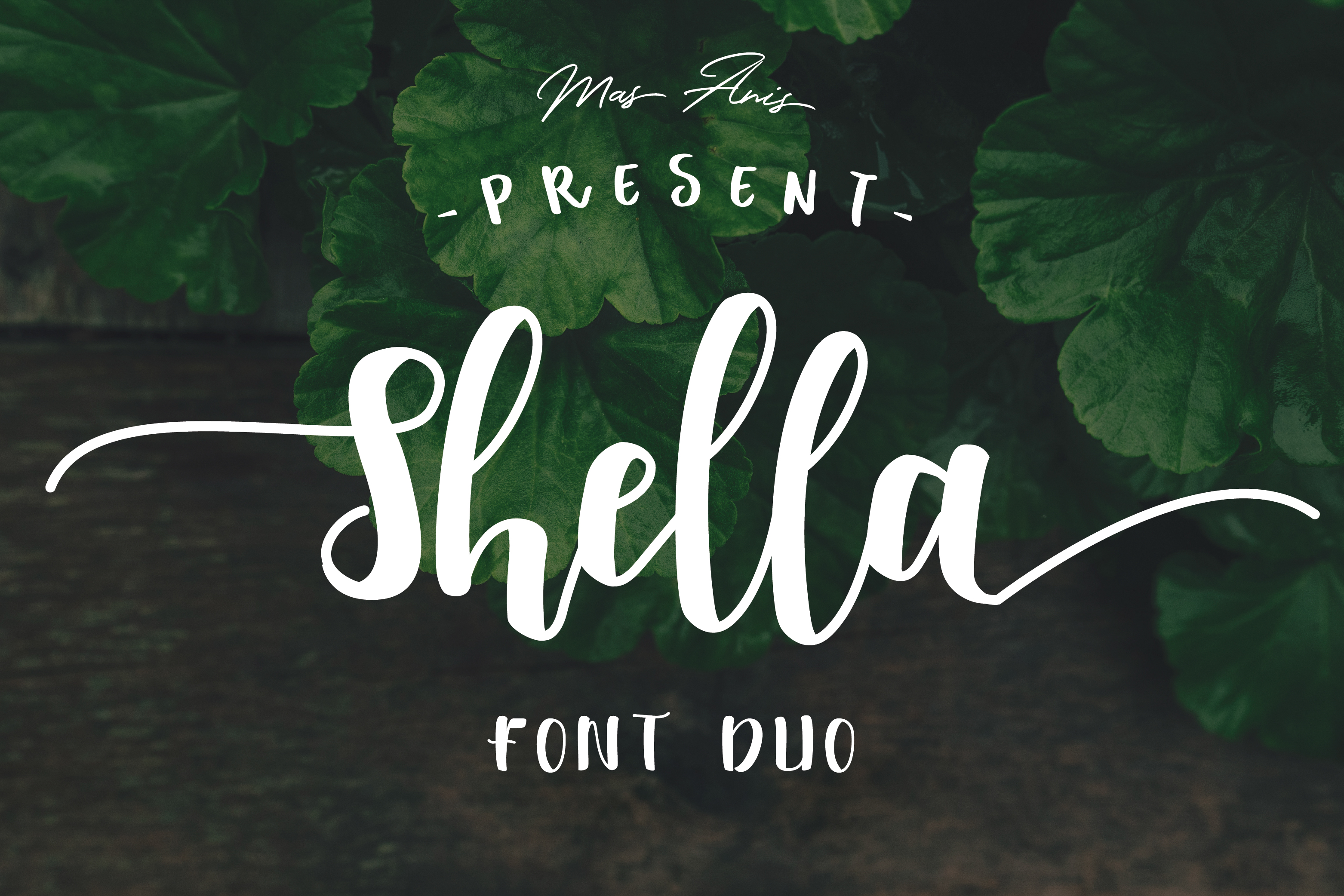
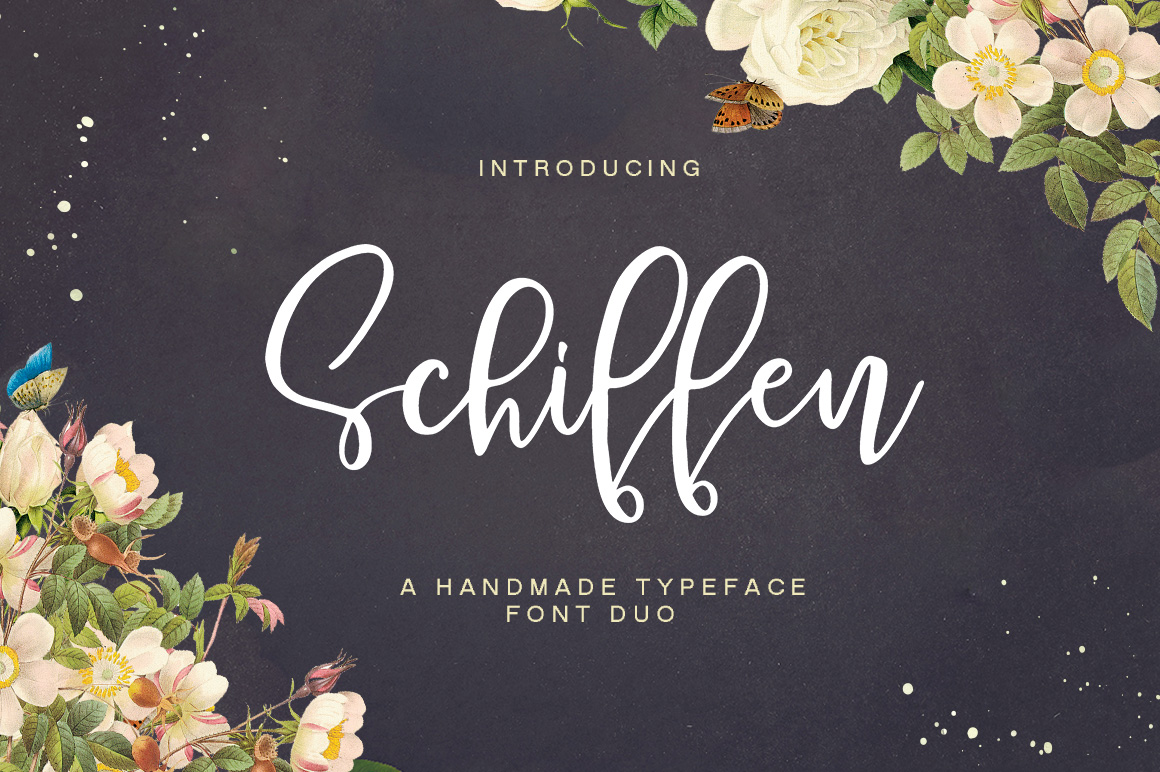
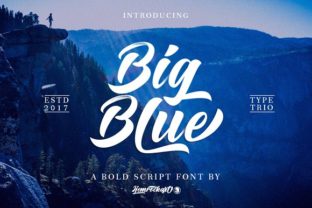
At its core, Big Blue is defined by its delicate hand-brushed aesthetic. This style mimics the natural variation found when a real brush glides across paper, creating thick downstrokes and thin upstrokes that give the letters life and movement. However, what truly sets this typeface apart is not just its primary style, but the thoughtful expansion into three distinct versions. This tripartite structure allows users to adapt the font to vastly different contexts without losing the brand's visual identity.
The first iteration, Big Blue Script, serves as the foundation of the family. It is an elegant, clean handwritten script font designed for clarity and grace. The lines are smooth, and the connections between letters feel natural, making it ideal for invitations, logos, and headings where a touch of sophistication is required. It avoids the excessive flourishes that often hinder legibility, ensuring that the message remains the focal point.
For projects requiring more visual weight, Big Blue Bold offers a strong play on the original script. By thickening the strokes, this version commands attention while retaining the fluid characteristics of the hand-brushed style. It is particularly effective in environments where the text needs to stand out against busy backgrounds or compete with other bold design elements. Finally, the family includes Big Blue Rough, a textured variation that introduces deliberate imperfections. This version features a grittier edge, simulating the look of ink drying on rough paper or a stamp applied with varying pressure. It adds a layer of vintage charm and authenticity that polished digital fonts often lack.
Practical Applications Across Industries
The versatility of Big Blue makes it a valuable asset for a wide range of industries. For small business owners and entrepreneurs, branding is everything. A coffee shop might utilize Big Blue Rough for its signage and menu boards to evoke a rustic, artisanal vibe, suggesting that their products are crafted with care and tradition. Conversely, a wedding planner or high-end boutique might prefer the pristine lines of Big Blue Script to communicate elegance and exclusivity on their business cards and website headers.
In the realm of digital marketing, social media managers understand the importance of stopping the scroll. Generic fonts often blend into the background of a user's feed. Using Big Blue Bold for quote graphics or promotional announcements can create an immediate emotional connection with the audience. The human-like quality of the font suggests that there is a real person behind the brand, fostering trust and engagement. Furthermore, because the font family offers three variations, a brand can maintain consistency across different types of content. A seasonal sale flyer could use the Bold version for the headline, the Script for the details, and the Rough version for a "limited time" stamp, creating a cohesive yet dynamic visual hierarchy.
Evaluating Suitability for Your Project
While Big Blue is undeniably attractive, it is essential to approach its usage with a strategic mindset. Not every project benefits from a hand-brushed aesthetic. When evaluating whether this font is the right choice, consider the tone you wish to convey. If your goal is to project strict corporate authority, medical precision, or technological futurism, a clean sans-serif or a rigid slab serif might be more appropriate. Handwritten fonts inherently suggest creativity, approachability, and humanity.
However, for sectors such as hospitality, education, lifestyle blogging, and the creative arts, Big Blue excels. Educators creating worksheets or classroom decorations can use the clean script version to make learning materials feel friendlier and less intimidating for students. Bloggers focusing on travel, food, or personal development can leverage the font to make their articles feel like personal letters or journal entries, enhancing the storytelling experience.
It is also crucial to consider legibility constraints. While Big Blue Script is designed for readability, hand-brushed fonts generally perform best at larger sizes. They are perfect for headlines, subheaders, pull quotes, and short captions. Using them for long blocks of body text (paragraphs exceeding 3-4 lines) can sometimes cause eye fatigue for the reader, as the varying stroke widths and unique letterforms require slightly more cognitive effort to process than standard text fonts. A best practice is to pair Big Blue with a neutral, highly readable sans-serif or serif font for the main body copy. This contrast ensures that the decorative nature of Big Blue highlights key information without overwhelming the reader.
Navigating the Textures and Weights
One of the most compelling aspects of adopting the Big Blue family is the ability to create depth through texture. In flat design trends, adding subtle texture can make a composition feel more tangible. The Big Blue Rough variant is specifically engineered for this purpose. When used in print materials like packaging, brochures, or posters, the textured edges can interact beautifully with different paper stocks. On matte paper, the roughness enhances the tactile feel; on glossy stock, it provides a striking visual contrast.
Digital designers should also note how these variations render on screens. The clean version scales effortlessly across devices, from mobile phones to large desktop monitors. The rough version, containing intricate noise and texture details, should be tested at various resolutions to ensure the "imperfections" do not appear as pixelation or compression artifacts on lower-quality displays. Generally, modern screens handle these textures well, but it remains a prudent step in the quality assurance process.
The Value of Authenticity in a Digital Age
We live in an era where automation and AI-generated content are becoming ubiquitous. In this context, anything that feels distinctly human holds significant value. Big Blue taps into this desire for authenticity. Its hand-brushed origins remind viewers of the artist's hand, introducing a sense of imperfection that is increasingly rare in polished digital interfaces. This psychological effect can be powerful for brands trying to differentiate themselves from competitors who rely on standard system fonts.
Moreover, the existence of three unique versions within a single family simplifies the design workflow. Instead of hunting for a bold script that matches a regular script, or trying to fake a distressed look with filters, designers have native tools at their disposal. This coherence ensures that the visual language remains consistent. For example, a restaurant chain launching a new summer menu can use Big Blue Bold for the section titles, Big Blue Script for the dish descriptions, and Big Blue Rough for the "Chef's Special" badges. The result is a unified look that feels curated rather than cobbled together.
Ultimately, the decision to use Big Blue should stem from a desire to inject personality into a project. Whether you are a graphic designer crafting a logo, a marketer designing an ad campaign, or a small business owner creating your own flyers, this font family offers the flexibility to adapt to your specific needs. It bridges the gap between the casual nature of handwriting and the requirements of professional typography. By understanding the strengths of each variant—the elegance of the Script, the presence of the Bold, and the character of the Rough—users can unlock the full potential of this delicately hand-brushed masterpiece, creating designs that resonate deeply with their intended audience.