Shella Font Duo: A Versatile Hand-Brushed Type Family for Modern Design
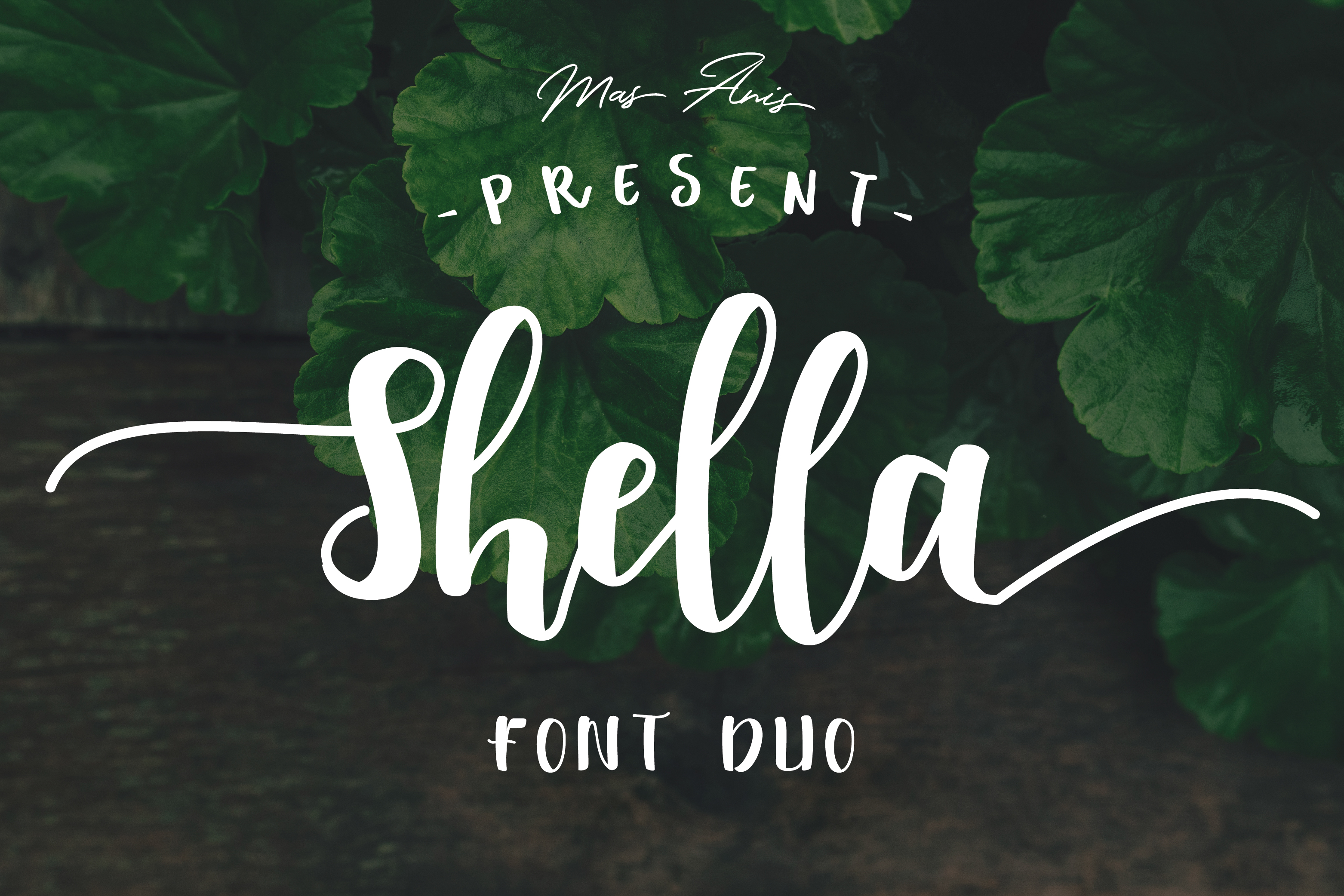
In the crowded landscape of display typography, finding a typeface that balances personality with professional utility is often a challenge. Many hand-lettered fonts lean too heavily into whimsy, sacrificing readability and versatility. Shella emerges as a notable exception to this trend. It is a hand-brushed typeface duo designed to inject warmth and character into visual projects without compromising on structural integrity. By offering three distinct styles within a single family—Shella Clean, Shella Sans, and Shella Rough—it provides designers with a flexible toolkit capable of addressing a wide range of creative needs.
The core appeal of Shella lies in its modular approach to texture and tone. Rather than forcing a single aesthetic onto a project, this font family allows for nuanced typographic hierarchies. Whether you are developing a brand identity for a boutique coffee shop, designing social media graphics for a lifestyle influencer, or laying out a wedding invitation, the ability to toggle between clean lines and rough, organic edges offers significant creative control. This article evaluates the practical applications, strengths, and limitations of Shella to help you determine if it fits your specific workflow.
The Anatomy of the Trio: Clean, Sans, and Rough
Understanding the specific characteristics of each style within the Shella family is essential for leveraging its full potential. The trio is not merely a collection of variations; each serves a distinct functional purpose in a design system.
- Shella Clean: This style features smooth, consistent strokes that mimic the pressure of a brush but with refined edges. It is the most legible of the three, making it ideal for headlines that need to be read quickly or for contexts where a polished, professional look is paramount. The clean variant retains the human touch of hand-lettering while adhering to stricter geometric standards.
- Shella Sans: Acting as a bridge between the organic and the mechanical, the sans version strips away the brush tapering to offer a more uniform stroke weight. It pairs exceptionally well with the other two styles, providing a neutral ground that can support body text or secondary headings without competing for attention.
- Shella Rough: This is where the "cozy" and "fun" descriptors truly come to life. The rough variant introduces textured edges and irregularities that simulate ink bleed or dry brush effects. It adds immediate visual interest and a sense of authenticity, perfect for evoking nostalgia or a handmade feel.
The true power of Shella is realized when these styles are combined. Using Shella Clean for a primary headline and Shella Rough for an accent word creates a dynamic contrast that guides the viewer's eye. This interplay allows designers to make each word unique and stunning, breaking the monotony often found in single-style display fonts.
Practical Applications and Real-World Performance
For professionals ranging from marketing managers to freelance illustrators, the value of a typeface is measured by its performance in real-world scenarios. Shella excels in environments that require a balance of approachability and clarity. Its warm, inviting nature makes it particularly effective for industries centered around hospitality, wellness, crafts, and education.
Consider a small business owner launching a new line of artisanal soaps. Using Shella Rough on packaging conveys the handmade nature of the product, while Shella Clean ensures that ingredient lists and branding elements remain legible on shelves. Similarly, educators creating classroom materials can utilize the font's friendly demeanor to make learning resources feel less intimidating and more engaging for students.
In digital marketing, where attention spans are short, the visual hook provided by Shella's brush strokes can increase engagement rates on social media posts. However, it is important to note its limitations regarding scale. Like most display fonts, Shella is optimized for larger sizes. While Shella Clean holds up reasonably well at medium sizes, the intricate textures of Shella Rough may lose definition when scaled down too small, potentially affecting readability on mobile devices if not managed carefully.
Usability and Workflow Integration
From a technical standpoint, the usability of Shella contributes to its long-term value. The consistency in x-height and character width across the three styles ensures that switching between them does not disrupt the overall layout. This reliability is crucial for designers working under tight deadlines who cannot afford to manually adjust kerning or leading every time they swap a font style.
The font's OpenType features, though varying by foundry implementation, generally support standard ligatures and alternates that enhance the natural flow of the script. This attention to detail prevents the "stamped" look that plagues lower-quality brush fonts, where letters feel disconnected or artificially placed. Instead, Shella maintains a cohesive rhythm that mimics genuine handwriting.
Who Benefits Most from Shella?
While any creative professional can appreciate a well-crafted typeface, certain groups will find Shella particularly aligned with their goals:
- Brand Strategists and Identity Designers: Those tasked with building brands that need to feel human-centric and accessible will find the trio invaluable for creating logos and brand assets that stand out against corporate sans-serifs.
- Social Media Managers: The need for fresh, eye-catching visuals is constant. Shella provides enough variety to keep content feeds looking diverse without needing to purchase multiple unrelated fonts.
- Publishers and Bloggers: For editorial headers and pull quotes, the font adds a layer of sophistication and warmth that encourages readers to engage with the content.
- Event Planners: The cozy aesthetic is perfectly suited for weddings, workshops, and community gatherings where the tone needs to be celebratory yet organized.
Evaluating Long-Term Value and Limitations
When investing in a creative asset like a font family, longevity is a key consideration. Trends in typography shift rapidly, with heavy grunge textures falling in and out of favor. However, the balanced approach of Shella suggests a degree of timelessness. Because it includes a clean variant, the font family can adapt even if the "rough" aesthetic becomes less popular. You can continue to use Shella Clean for years, relying on its solid structure, while using the textured variants only when the project specifically calls for it.
That said, potential users should be aware of context. Shella is a display typeface, not a body text solution. Attempting to use Shella Rough for paragraphs longer than a sentence would likely result in reader fatigue. Its effectiveness is tied to brevity and impact. Furthermore, while the font is versatile, it may not be suitable for high-stakes corporate environments such as legal firms or financial institutions where traditional serif or neutral sans-serif fonts are expected to convey authority and stability.
Making the Final Decision
Ultimately, the decision to integrate Shella into your library should depend on your specific design objectives. If your work frequently requires a touch of humanity, warmth, or artistic flair, this font duo offers a robust solution. The ability to mix and match styles allows for a level of customization that reduces the need for additional font purchases, streamlining your asset management.
In a market saturated with generic typefaces, Shella distinguishes itself through thoughtful execution and practical flexibility. It respects the designer's need for both creativity and control, delivering a tool that is as functional as it is beautiful. Whether you are refining a logo, crafting a campaign, or simply looking to elevate your personal projects, Shella provides the stylistic range necessary to bring your vision to life with clarity and charm.