Dry Brush: A Hand-Crafted Display Font for Authentic Branding
In the crowded landscape of digital typography, finding a typeface that balances artistic flair with functional legibility is often a challenge for designers and brand strategists. Dry Brush emerges as a compelling solution in the display font category, offering a distinct aesthetic rooted in traditional calligraphy yet optimized for modern applications. As a decorative hand-brushed font, it draws its primary inspiration from the fluid, organic strokes of DieCunst, a style known for its expressive variance and human touch. For professionals ranging from marketing directors to independent creators, understanding the specific nuances of Dry Brush is essential before integrating it into a visual identity system.
The Aesthetic Foundation and Design Philosophy
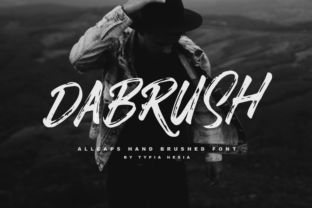
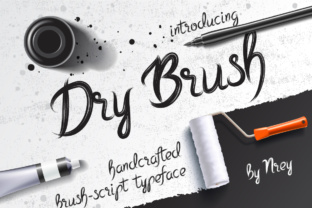
The core appeal of Dry Brush lies in its simulation of natural media. Unlike geometric sans-serifs or rigid slab serifs that dominate corporate interfaces, this typeface embraces imperfection. The characters are constructed to mimic the pressure variations of a physical brush moving across textured paper. This results in thick downstrokes that taper into delicate, sometimes frayed, upstrokes. The influence of DieCunst is evident in the way the letterforms maintain a sense of momentum; they do not sit statically on the baseline but appear to have been written in a continuous, flowing motion.
What makes this font worth discussing is not just its visual style, but the intentionality behind its construction. Many "brush" fonts on the market suffer from excessive distortion or illegible connectors between letters. Dry Brush avoids these pitfalls by maintaining a consistent x-height and ensuring that the counter spaces (the enclosed areas within letters like 'o' or 'e') remain open enough for readability at various sizes. The texture applied to the edges of the strokes suggests a dry ink application, adding a layer of grit and authenticity that flat vector shapes often lack. This textural quality allows the font to stand out against clean, minimalist backgrounds, creating an immediate focal point in any composition.
Practical Usability and Technical Performance
From a technical standpoint, the utility of Dry Brush depends heavily on how it is deployed within a project workflow. As a display font, its primary strength is in headlines, logos, packaging, and short-form copy. It is not designed for body text or long-form reading. When used for paragraphs, the varying stroke widths and decorative terminals can cause eye fatigue and reduce reading speed. However, when restricted to its intended purpose—titles and emphasis—it performs exceptionally well.
The font's flexibility is notable in its compatibility with standard design software. Whether working in Adobe Illustrator, Photoshop, or web-based tools like Canva, Dry Brush renders consistently. One practical consideration for users is kerning. Because hand-brushed fonts rely on organic shapes that do not always align perfectly with standard metric grids, manual adjustment of letter spacing is often required to achieve a polished look. In logo design, for instance, tightening the tracking can enhance the connected feel of the script, while loosening it slightly in all-caps headers can improve clarity. This need for manual tweaking is not a flaw but rather an invitation for the designer to engage more deeply with the typography, ensuring the final output feels bespoke rather than templated.
Real-World Applications and Industry Fit
The versatility of Dry Brush makes it a valuable asset across several industries where emotional connection and brand personality are paramount. For entrepreneurs launching artisanal products, such as craft coffee roasters, boutique skincare lines, or handmade jewelry, this font communicates craftsmanship and attention to detail. The "dry" texture implies a raw, unpolished honesty that resonates with consumers seeking authenticity over mass production.
In the realm of marketing and advertising, Dry Brush serves as an effective tool for campaign headers that need to break through the noise of sterile corporate communications. It works particularly well for seasonal promotions, event invitations, and social media graphics where a human element is desired. Educators and publishers might find use in the font for cover designs or section dividers in materials related to arts, humanities, or creative writing, where the aesthetic supports the subject matter.
Freelance designers will appreciate the font's ability to elevate simple layouts. A plain white business card can be transformed into a memorable piece of branding simply by applying Dry Brush to the name and title. Similarly, wedding stationery and hospitality menus benefit from the elegant yet approachable vibe the typeface projects. It strikes a balance between formal script and casual handwriting, making it suitable for events that are sophisticated but not stiff.
Evaluating Quality and Long-Term Value
When assessing the long-term value of incorporating Dry Brush into a design library, one must consider trends versus timelessness. While brush scripts have seen a surge in popularity over the last decade, the specific execution of Dry Brush leans towards a classic calligraphic tradition rather than a fleeting trendy style. The reference to DieCunst grounds it in a historical context, giving it a level of sophistication that prevents it from feeling dated quickly. However, like any distinctive display font, its effectiveness relies on restraint. Overuse can dilute its impact, turning a striking visual element into visual clutter.
Reliability is another key factor. A high-quality font file should include a comprehensive set of glyphs, including alternate characters, ligatures, and multilingual support. If Dry Brush offers these features, its value proposition increases significantly, allowing designers to create unique wordmarks by swapping out standard characters for stylistic alternates. This capability ensures that two projects using the same font can still look distinct from one another. Without these features, the font risks looking generic if used frequently across different clients.
Limitations and Strategic Considerations
Despite its strengths, Dry Brush is not a universal solution. Its decorative nature means it lacks the neutrality required for user interfaces (UI) or data-heavy presentations. Attempting to force this font into a mobile app navigation bar or a financial report would undermine usability and professionalism. Furthermore, the textured edges that provide its character can sometimes pose challenges in small-scale printing or low-resolution digital displays. If the output medium cannot resolve fine details, the "dry" effect may appear as noise or blurring, reducing legibility.
Designers must also be mindful of color contrast. Because the strokes vary in thickness, light-colored versions of the font on dark backgrounds (or vice versa) require careful testing to ensure the thinnest parts of the letters do not disappear. Accessibility standards, such as WCAG guidelines, should always be consulted when using decorative fonts in public-facing digital content to ensure inclusivity for users with visual impairments.
Final Recommendations for Creative Professionals
For those evaluating whether Dry Brush fits their current needs, the decision should hinge on the specific emotional tone of the project. If the goal is to convey precision, technology, or corporate stability, a cleaner sans-serif is likely a better choice. However, if the objective is to evoke creativity, warmth, heritage, or personal touch, Dry Brush is an excellent candidate. It serves best as a supporting actor in a larger typographic hierarchy, paired with a neutral sans-serif or a simple serif for body copy to maintain balance.
Ultimately, the value of Dry Brush lies in its ability to inject humanity into digital and print media. In an era where automation and AI-generated content are becoming ubiquitous, the imperfect, hand-crafted look of this font offers a refreshing counterpoint. It reminds the viewer that a human hand guided the design process. For bloggers, small business owners, and creatives looking to distinguish their brand voice without resorting to clichés, Dry Brush provides a robust, aesthetically pleasing tool that, when used with discretion and skill, can significantly enhance the perceived quality and personality of a project.