Evaluating Delaney Script for Design Projects
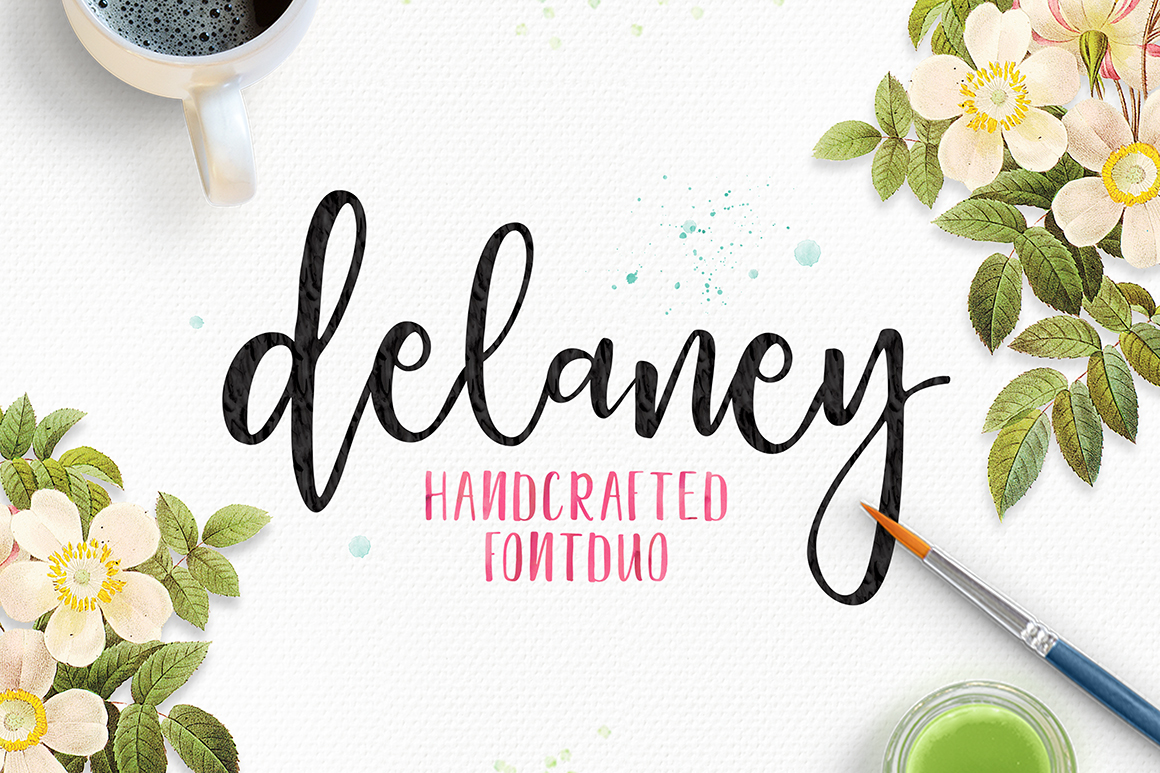
Choosing the right typeface is a critical step in any design project, as it sets the tone for the entire visual communication. Among the vast array of options available, Delaney Script has emerged as a distinctive choice for designers seeking authenticity and movement. This hand-brushed font was originally created on paper using a traditional hand-brush and ink, capturing the organic imperfections of physical media before being perfected digitally. Its defining characteristic is a flowing baseline that allows text to appear as though it is dancing across the screen or page. For professionals evaluating typography solutions, understanding the specific attributes, benefits, and limitations of Delaney Script is essential to determining if it aligns with their project goals.
Understanding the Origins and Aesthetic
The appeal of Delaney Script lies in its hybrid nature. It bridges the gap between analog craftsmanship and digital precision. Because the letterforms were drawn with actual ink and a brush, they possess a texture and weight variation that purely vector-based scripts often struggle to replicate convincingly. The digitization process retained these nuances, ensuring that the strokes look natural rather than mechanically uniform.
The most notable feature is the flowing baseline. Unlike standard script fonts that sit on a rigid horizontal line, the characters in Delaney Script rise and fall slightly, mimicking the natural rhythm of human handwriting. This creates a sense of dynamism and energy, making the text feel alive. For audiences researching font options, this distinction is vital: Delaney Script is not just a style; it is a simulation of motion and human touch.
Key Benefits for Creative Applications
When considering why one might select this typeface, several practical benefits stand out. First, the font excels at conveying warmth and approachability. In a digital landscape often dominated by sterile, geometric sans-serifs, a hand-brushed style can humanize a brand or message. This makes it particularly effective for industries where personal connection is paramount, such as wellness, artisanal food products, or creative portfolios.
Secondly, the visual interest generated by the dancing baseline reduces the need for excessive graphic embellishments. The typography itself acts as a decorative element. This can streamline the design process, allowing creators to achieve a high-impact look without layering multiple textures or illustrations. Furthermore, because the font was perfected digitally, it maintains legibility better than many raw hand-lettered scans, offering a balance between artistic flair and functional readability.
Tradeoffs and Legibility Considerations
While the artistic merits of Delaney Script are clear, an objective evaluation requires acknowledging its tradeoffs. The very features that make it unique—the irregular baseline and brushstroke variations—can impact readability in certain contexts. Script fonts generally require more cognitive effort to read than block letters. When text "dances," the eye must work harder to track the line, especially in longer paragraphs.
Consequently, Delaney Script is rarely suitable for body copy in long-form articles, legal documents, or technical manuals. Its strength lies in short bursts of text. Designers must be cautious about sizing; if rendered too small, the intricate ink details may blur, and the flowing baseline could cause lines of text to collide. It is best utilized at larger point sizes where the nuance of the brushwork can be appreciated without compromising clarity.
Ideal Use Cases and Strong Fits
Determining whether Delaney Script is the right fit depends heavily on the medium and the message. It is a strong candidate for:
- Branding and Logotypes: The unique character of the font helps brands stand out, particularly for boutiques, cafes, and lifestyle companies aiming for a bespoke feel.
- Packaging Design: On product labels, the hand-brushed aesthetic suggests quality and手工制作 (hand-made) care, which can influence consumer perception positively.
- Social Media Graphics: In environments where stopping the scroll is crucial, the dynamic movement of the text captures attention effectively.
- Invitations and Headers: For events like weddings or workshops, the font adds a personal, celebratory touch that formal serif fonts cannot match.
In these scenarios, the goal is emotional resonance rather than rapid information transfer. The font succeeds because it invites the viewer to pause and appreciate the artistry.
When to Consider Alternatives
Despite its versatility, there are situations where alternatives may be worth considering. If the primary objective is maximum legibility across various devices and screen sizes, a clean sans-serif or a more structured serif font would be a safer choice. Similarly, for corporate communications requiring a tone of strict professionalism and authority, the casual and fluid nature of Delaney Script might undermine the intended message.
Additionally, accessibility is a crucial factor. For users with visual impairments or dyslexia, highly stylized scripts with varying baselines can present significant barriers. In projects where inclusivity and universal access are priorities, designers should reserve Delaney Script for decorative headers while relying on high-contrast, simple typefaces for the core content. If a project requires a script font but needs tighter line spacing or more uniformity, a calligraphy-style font with a straight baseline might serve as a more functional alternative.
Practical Decision-Making Insights
To decide if Delaney Script aligns with your needs, ask three key questions. First, what is the hierarchy of information? If this font is intended for the main headline or a short tagline, it is likely an excellent fit. If it is meant for dense informational text, reconsider. Second, what is the brand personality? If the brand values tradition, craft, and human connection, the ink-brushed origin of the font reinforces those values authentically. Third, what is the medium? Ensure that the output resolution is high enough to preserve the texture of the brushstrokes, particularly in print applications.
Ultimately, Delaney Script offers a compelling solution for designers looking to inject life and organic movement into their work. It is not a universal tool, but rather a specialized instrument designed for specific emotional and aesthetic outcomes. By weighing its artistic strengths against its legibility constraints, creators can make informed decisions that enhance their visual storytelling without sacrificing usability. Whether used for a logo, a poster, or a digital banner, this font provides a bridge between the tactile world of ink and paper and the modern demands of digital design.