Unlocking Organic Texture: The Art and Utility of 34 Watercolor Ink Brushes
In the rapidly evolving landscape of digital design, there is a growing hunger for authenticity. As screens become sharper and software more capable, the paradoxical desire for imperfection has never been stronger. Designers, illustrators, and content creators are increasingly turning away from sterile, vector-perfect lines in favor of textures that breathe, bleed, and behave like traditional media. This shift brings us to a remarkable resource: a collection known as the 34 Watercolor Ink Brushes. Far more than a simple digital asset pack, this set represents a bridge between the tactile world of physical painting and the efficiency of modern workflows.
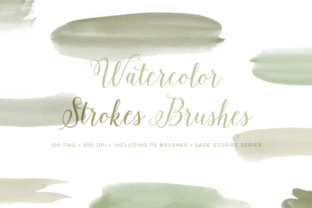
What makes this specific collection stand out in a saturated market is its origin story. In an era where many digital brushes are generated algorithmically or scanned from generic synthetic paints, these tools were crafted from blueberry juice. Each watercolor illustration was hand-painted onto high-quality watercolour paper, capturing the unique granulation, flow, and organic edge of a natural pigment before being meticulously digitized. This process ensures that every stroke carries the soul of a real-world interaction, offering users a level of depth that purely synthetic brushes often lack.
The Renaissance of Hand-Crafted Digital Assets
The relevance of the 34 Watercolor Ink Brushes extends beyond mere aesthetics; it taps into a broader cultural and professional trend. Over the last decade, we have witnessed a significant pivot in consumer expectations and creative standards. Audiences today are sophisticated. They can instinctively distinguish between a generic stock overlay and a genuine textural element. This discernment has forced professionals across industries—from freelance graphic designers to marketing agencies—to elevate the quality of their visual storytelling.
The movement toward "digital organicism" is not just a fleeting style; it is a response to the homogenization of digital content. When everyone uses the same default tools and filters, brand identities blur. By integrating assets born from natural materials like blueberry juice, creators can inject a unique fingerprint into their work. This approach aligns with the modern need for differentiation. Whether you are an entrepreneur building a brand identity, a blogger crafting engaging headers, or an educator designing visually stimulating learning materials, the subtle irregularities of hand-painted ink can make your content feel more human and approachable.
Furthermore, the workflow of the modern creator demands versatility without compromising quality. The evolution of hardware, such as pressure-sensitive tablets and stylus-enabled smartphones, has made it possible to replicate the nuance of traditional painting digitally. However, the software is only as good as the brush engine feeding it. This is where the meticulous creation process of these brushes becomes critical. Because the source material was physically painted and then scanned, the digital translation retains the complex interplay of water, pigment, and paper tooth that algorithms struggle to simulate convincingly.
Technical Versatility and File Formats
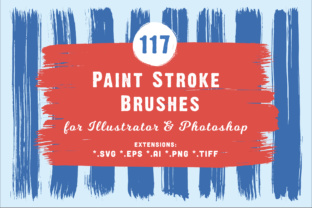
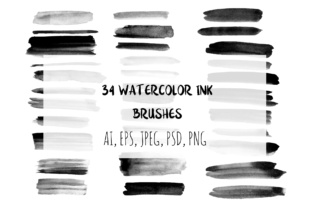
For professionals, the utility of a design asset is often determined by its flexibility within a pipeline. A beautiful brush is of little use if it cannot be integrated into the specific software a team relies on. The 34 Watercolor Ink Brushes set addresses this by providing a comprehensive suite of file formats, ensuring compatibility across the industry's standard applications. The download details include 35 JPG files and 34 PNG files, which are essential for immediate use in raster-based programs like Adobe Photoshop or Procreate. The PNG format, with its transparency support, allows these ink splatters and strokes to be layered seamlessly over any background without unsightly white boxes.
Beyond raster images, the inclusion of vector and layered files speaks to the needs of scalable design and deep editing. The package contains 1 AI file (Adobe Illustrator) and 1 EPS file, catering to vector workflows where scalability is paramount. This is particularly useful for logo design, large-format printing, or any scenario where the artwork must be resized without losing resolution. Additionally, the 1 PSD file offers a layered structure, giving users the ability to dissect the original compositions, adjust blending modes, or isolate specific elements for custom compositing.
This diversity in file types reflects a realistic understanding of modern creative ecosystems. A freelancer might need a quick PNG for a social media post, while a branding agency might require the AI file to incorporate the texture into a vector logo system. By providing this range, the set eliminates the friction of converting files or searching for alternative assets, streamlining the production process.
Practical Applications Across Industries
The practical implications of adopting such a specialized toolset are vast. For marketers and business owners, visual content is the currency of engagement. Social media algorithms favor high-retention visuals, and textured, hand-crafted graphics often perform better than flat, corporate imagery because they stop the scroll. Imagine a campaign for an organic food brand or a wellness startup; using brushes made from actual fruit juice creates a thematic resonance that reinforces the brand's message of natural purity. It is a subtle yet powerful form of non-verbal communication.
Educators and trainers also benefit significantly from these resources. In e-learning modules or presentation decks, the use of watercolor textures can soften the rigidity of text-heavy slides, making information more digestible and visually appealing. The organic nature of the ink helps to break up monotony and guide the viewer's eye through key concepts. Similarly, bloggers and content writers can use these brushes to create custom featured images that distinguish their articles from the sea of generic stock photography, fostering a stronger connection with their readership.
For professional illustrators and hobbyists, the value lies in the expansion of their artistic vocabulary. Even artists who primarily work in traditional media can use these digital brushes for rapid prototyping, mood boarding, or adding finishing touches to scanned works. The ability to manipulate the opacity, flow, and blending modes of these digital strokes offers a sandbox for experimentation that would be costly and time-consuming to replicate with physical paint alone.
The Evolution of Texture in a Digital-First World
Why are people paying more attention to the origins of their digital tools now? The answer lies in the maturation of the digital art form. Early digital design was often characterized by a pursuit of cleanliness and precision. As the medium has matured, the focus has shifted toward emulation and enhancement of reality. We are no longer satisfied with digital looks that merely mimic reality; we want them to embody the physics and chemistry of the real world.
The story of the blueberry juice brushes exemplifies this evolution. It highlights a return to craftsmanship in the digital age. It suggests that technology should not replace the human touch but rather amplify it. As remote work and digital collaboration become the norm, the tools we use define the quality of our output. High-fidelity assets that carry the weight of physical creation allow distributed teams to produce work that feels cohesive and rich, regardless of where the designers are located.
Moreover, this trend aligns with a broader societal shift towards sustainability and mindfulness. Knowing that a digital asset was created through a deliberate, hands-on process involving natural materials adds a layer of narrative value. It encourages creators to slow down and appreciate the details, fostering a mindset of intentionality in a fast-paced industry.
Making the Most of Your Creative Toolkit
Integrating the 34 Watercolor Ink Brushes into your workflow requires a shift in perspective. It is not just about applying a filter; it is about understanding how texture influences composition. When using these brushes, consider the interplay of light and shadow. The transparency inherent in watercolor allows for beautiful layering effects. Try overlapping different strokes to create depth, or use the jagged edges of the dried ink to frame text dynamically.
For those new to mixing media, start small. Use the PNG files to add a subtle wash behind a headline in a newsletter or to accentuate a call-to-action button on a website. As you become comfortable with the behavior of these digital inks, you can begin to build entire illustrations around them. The key is to let the imperfections lead the design. Allow the bleed of the "ink" to dictate the flow of the layout, creating a sense of movement and life that rigid grids cannot achieve.
In conclusion, the convergence of traditional artistry and digital convenience found in this collection offers a compelling solution for today's diverse creative needs. Whether you are refining a corporate brand, illustrating a children's book, or simply exploring a new hobby, the depth and authenticity provided by these hand-painted, blueberry-derived brushes can elevate your work. They serve as a reminder that even in a pixelated world, the human touch remains the most valuable asset of all. By choosing tools with a story and a soul, you invest not just in a file format, but in the quality and character of your creative voice.