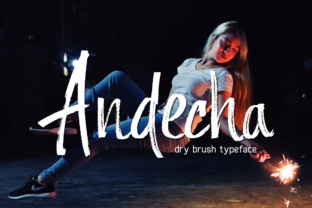
Andecha: Elevating Design with Authentic Hand-Brushed Style
In a digital landscape saturated with geometric sans-serifs and polished vector graphics, there is a growing hunger for authenticity. Audiences today connect more deeply with designs that feel human, tactile, and imperfect. This is where Andecha enters the conversation. As a hand-brushed font, it carries the energy of a physical brushstroke, offering a level of organic texture that standard typefaces simply cannot replicate. For designers, marketers, and business owners looking to cut through the noise, understanding how to leverage this specific stylistic choice can transform a generic layout into a memorable brand experience.
The core value of Andecha lies in its ability to bridge the gap between professional polish and personal touch. When you apply a hand-brushed aesthetic to your projects, you are subtly signaling effort and craftsmanship. It suggests that behind the screen, there is a human hand guiding the message. This psychological impact is crucial for brands trying to build trust and rapport with their customers. Whether you are launching a new product line or refreshing an existing identity, the right typography acts as the voice of your visual communication.
Creating Immediate Visual Impact in Print and Merchandise
One of the most effective applications for Andecha is in physical products where texture plays a significant role in the user experience. Consider the world of apparel design. T-shirts have evolved from simple logo placements to walking billboards for personal expression. A clean, digital font often looks flat when printed on fabric, especially on materials like cotton or linen that have their own grain. The varied stroke width and rough edges inherent in a hand-brushed style mimic the way ink interacts with fabric, creating a cohesive look that feels intentional rather than slapped on.
Beyond clothing, this font excels in editorial design for magazines and zines. In publication layouts, headers need to do more than just label a section; they need to set the tone for the article that follows. Using Andecha for feature headlines can inject a sense of urgency or artistic flair that draws the eye immediately. It works particularly well for lifestyle, travel, or creative industry publications where the vibe is less corporate and more experiential. The font's dynamic nature breaks up the rigidity of column grids, adding white space and visual rhythm that keeps the reader engaged.
Similarly, phone covers and small-scale accessories benefit immensely from this typographic approach. On a small canvas, legibility is key, but so is character. A hand-brushed font offers high contrast and distinct shapes that remain readable even at smaller sizes, provided the spacing is managed correctly. It turns a utilitarian object into a fashion statement, allowing users to carry a piece of art in their pocket.
Enhancing Hospitality and Event Atmospheres
The hospitality industry relies heavily on atmosphere, and typography is a silent ambassador of that mood. Restaurant menus are perhaps the most critical touchpoint for dining establishments. A menu typed in a standard system font can make even the most exquisite dish feel mass-produced. By utilizing Andecha for section headers or special item highlights, restaurateurs can evoke a sense of artisanal quality. It suggests that the food, like the font, is crafted with care. This alignment between visual presentation and culinary reality enhances the perceived value of the meal before the first bite is even taken.
This principle extends seamlessly to the event planning sector, specifically for weddings and formal invitations. Modern couples often seek a balance between elegance and personality. Traditional calligraphy can sometimes feel too stiff or old-fashioned, while modern minimalism might lack warmth. A hand-brushed font like Andecha offers a perfect middle ground. It provides the fluidity of script with the boldness of a display face. When used on wedding invitations, save-the-dates, or greeting cards, it creates an immediate emotional connection, promising a celebration that is both stylish and heartfelt.
For greeting cards and stationery, the tactile illusion created by the brush strokes adds a layer of sincerity. In an era of digital emails and text messages, a physical card stands out. The font choice reinforces the idea that the sender took the time to choose something unique, making the recipient feel more valued.
Digital Presence and Social Media Engagement
While Andecha shines in print, its utility in the digital realm is equally potent, particularly for social media graphics and website headers. Social media feeds are fast-moving environments where users scroll past hundreds of images daily. To stop the scroll, content must offer a visual hook. Hand-brushed typography naturally commands attention because it contrasts sharply with the sleek, uniform interfaces of most social platforms. Using this font for quote graphics, promotional banners, or story highlights can increase engagement rates by making the content feel less like an ad and more like organic content.
For website headers, Andecha can serve as a powerful tool for establishing brand identity above the fold. However, it requires a strategic approach. Because hand-brushed fonts are decorative, they should be used sparingly online—primarily for H1 tags, hero section text, or call-to-action buttons. Overuse can lead to visual fatigue and reduced readability on smaller mobile screens. The goal is to use the font to guide the user's eye to the most important information, creating a hierarchy that feels natural and inviting.
Bloggers and content creators will find this font particularly useful for breaking up long-form text. Inserting a pull quote styled in Andecha can re-engage a reader who might be skimming. It acts as a visual pause, emphasizing key takeaways and adding personality to the blog's overall aesthetic.
Strategic Considerations and Best Practices
While the benefits of using a hand-brushed font are clear, it is essential to recognize its limitations to ensure optimal results. Andecha is a display typeface, meaning it is designed for headlines and short phrases rather than body copy. Attempting to write paragraphs in this style will likely frustrate readers due to reduced legibility. The irregular stroke widths and varying letterforms, which provide its charm, can become distracting when read in large blocks.
To maximize effectiveness, pair Andecha with a clean, neutral sans-serif or a highly readable serif for body text. This contrast allows the hand-brushed elements to pop without overwhelming the viewer. For example, a wedding invitation might feature Andecha for the couple's names and the date, while the details of the venue and reception are printed in a simple, elegant serif. This combination ensures that the design remains functional while retaining its artistic flair.
Additionally, consider the context of your brand. While this font exudes creativity and warmth, it may not be suitable for industries that require an image of strict precision, such as financial auditing or heavy industrial manufacturing. In those cases, the organic imperfection of a brush stroke might inadvertently signal a lack of rigor. Always align your typography choices with the core values and expectations of your target audience.
Empowering Creativity Across Professions
Ultimately, the adoption of Andecha is about empowering creators to tell better stories. For freelancers and small business owners, having access to high-quality, distinctive typography levels the playing field. It allows a solo entrepreneur to present a brand identity that rivals larger corporations in terms of style and sophistication. For educators and publishers, it offers a way to make learning materials and publications more engaging and less sterile.
The versatility of this hand-brushed font means it can adapt to various narratives. Whether you are designing a poster for a music festival, creating a logo for a boutique coffee shop, or crafting a holiday card for clients, the underlying message remains the same: you value quality and human connection. By integrating Andecha into your design toolkit, you are not just choosing a font; you are choosing a way to communicate that resonates on a deeper, more emotional level with your audience.
In conclusion, the decision to use a specific typeface should never be arbitrary. It is a strategic choice that influences perception, readability, and brand recall. Andecha offers a unique blend of artistic expression and practical utility, making it an invaluable asset for anyone looking to elevate their visual communication. By understanding its strengths and applying it thoughtfully across t-shirts, menus, digital headers, and invitations, you can create designs that not only look good but also feel right.